Collection vs Collage (again)
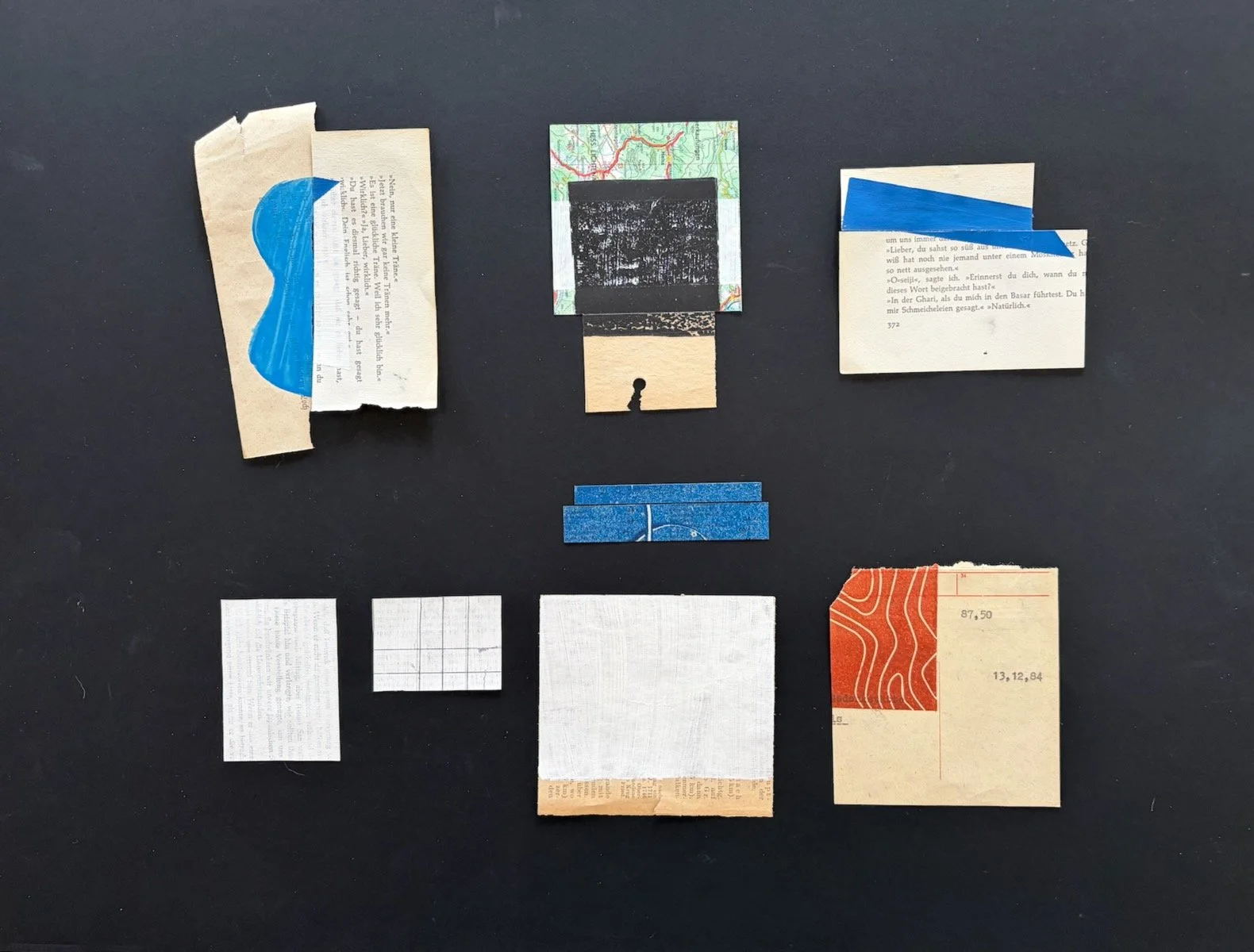
A collection (or exhibition) of paper scraps from my studio.
I keep coming back to this topic, so apparently I’ve got more to say about it - though I don’t promise that I’ll reach any conclusions in this post. Rather I’ll be thinking through some things, stumbling towards a thesis, brainstorming in public.
The terms that are regularly swirling around in my brain when I think about art are collection and collage. Collection, in my mind quickly branches into a half-dozen other words including:
exhibition
database
shoebox
curio cabinet
and so on…
For someone working primarily in collage, everything starts with the collection. Collection here simply means every scrap of paper (etc.) gathered and saved with the idea that it might be useful in a work*. And the thing is, right here - step one, before any art is created - it gets interesting. My collection looks nothing like your collection. Or maybe they’re similar, but I have more old books, and you’ve got a ton of old magazines. Or new magazines. Or found Polaroid pictures, discarded paper picked up from the dumpster behind a print shop, scraps of advertising posters, letterpress test prints, and so on, and so on…
The collection is already an artistic statement. It may not be a well-thought-out statement, or it may be too unfocused to draw in a viewer on its own, but what’s in it and what’s not says something about the collector, and about their interests. Even at this stage, before moving from collection to collage, there are plenty of ways to help the viewer find their footing. Looking back at the list above:
an exhibition displays a smaller part of the whole collection, maybe including writing/video/captions about the theme and how/why various pieces were selected.
a database assigns properties to the pieces in a collection, allowing them to be sorted and searched based on chosen criteria.
a shoebox is maybe the most like a simple collection, but it’s tangible, small enough to hold in your hands and I personally can't imagine being presented with a shoebox of artefacts and not immediately diving in.
a curio cabinet is, rightfully so, laden with a lot of baggage around colonialism and gawking at “others” but remains interesting as an example of trying to understand the world through collecting, cataloging, and comparison.
*I imagine assemblage artists work in a similar fashion, with Joseph Cornell being one of the best-known examples.
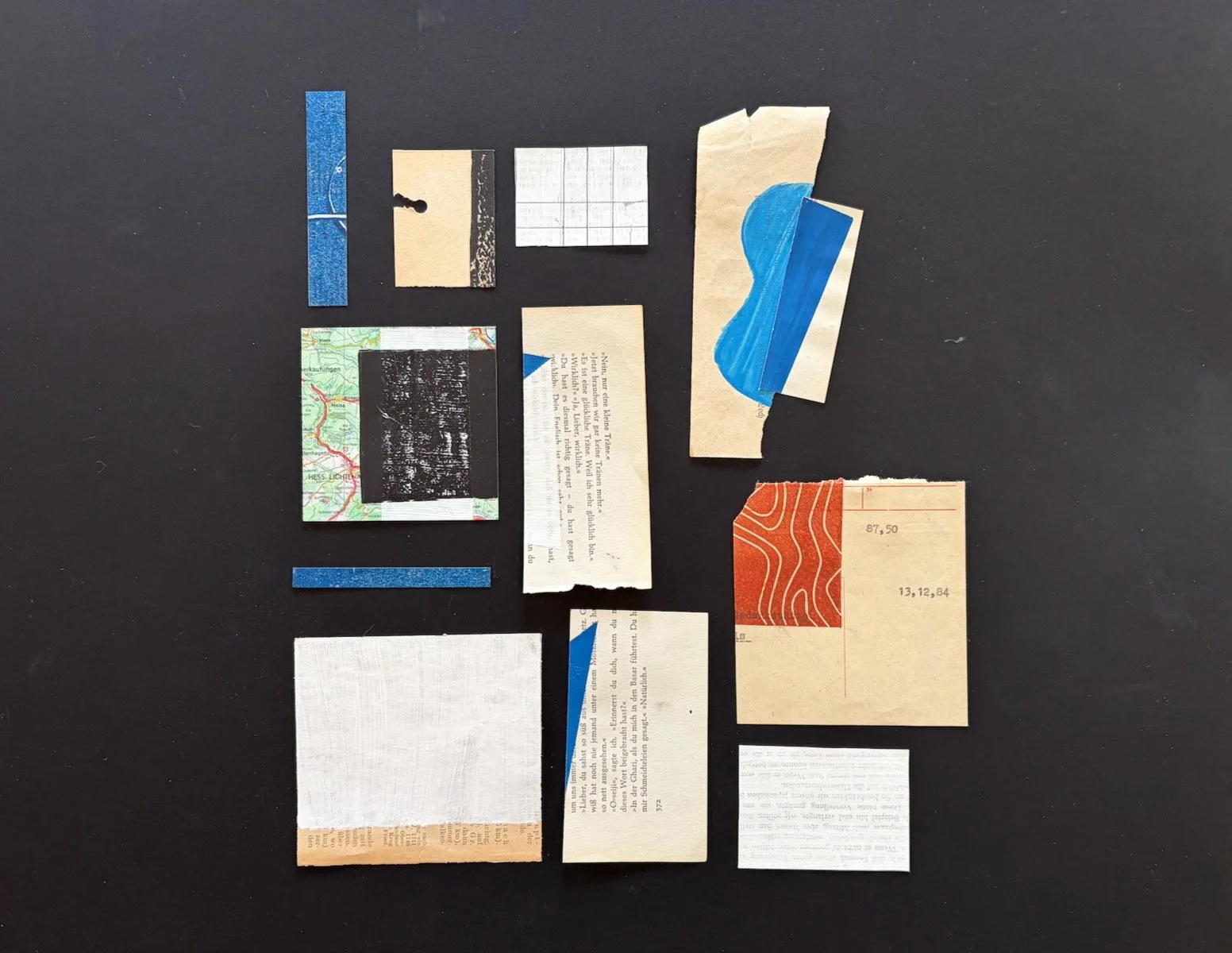
Another collection of (the same) paper scraps from my studio.
Versions of exhibitions
There’s something about a simply-presented collection - an exhibition - that ideally goes simple aesthetics, and suggests intent, curiosity, maybe even obsession, and says to the viewer that it’s worth spending time with these objects.
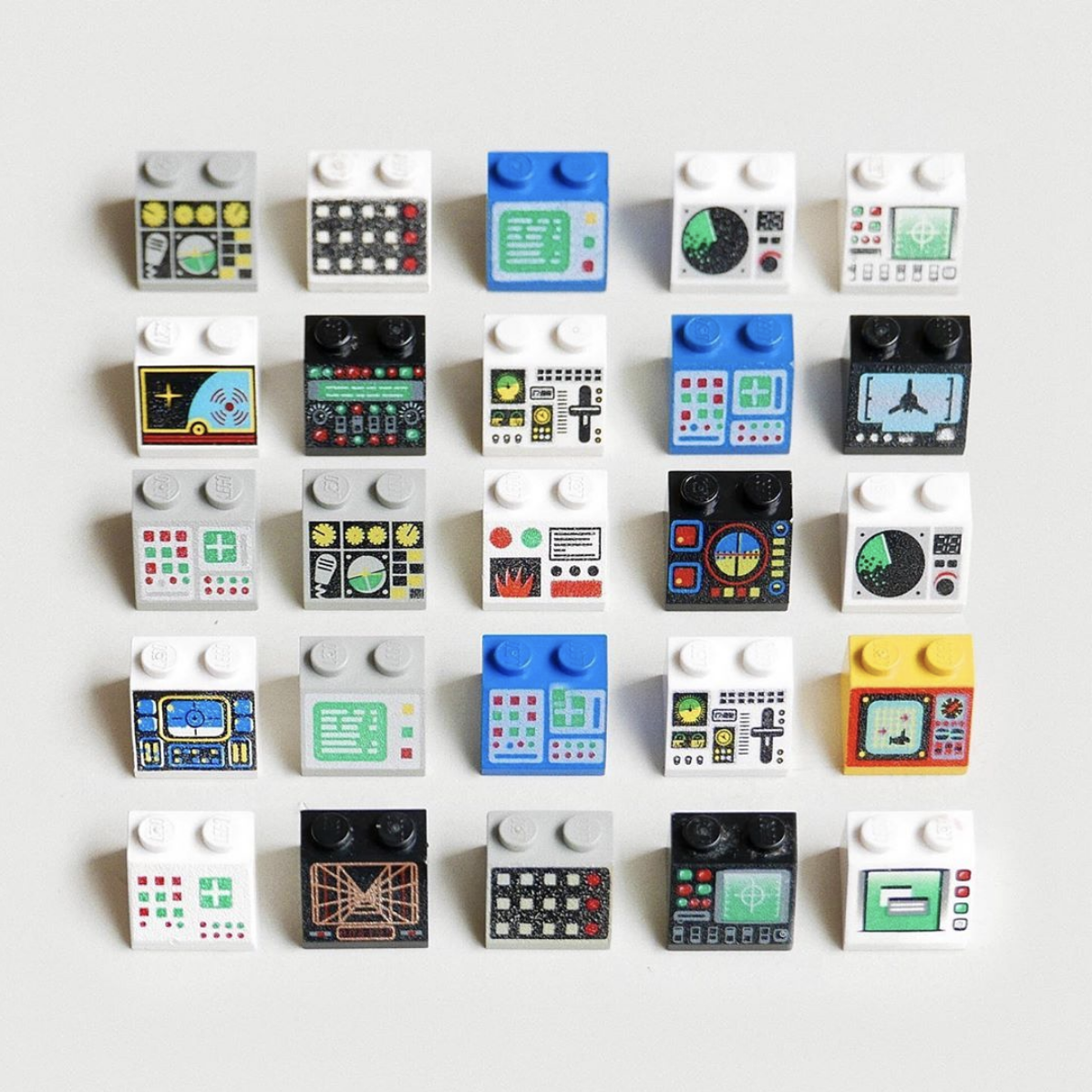
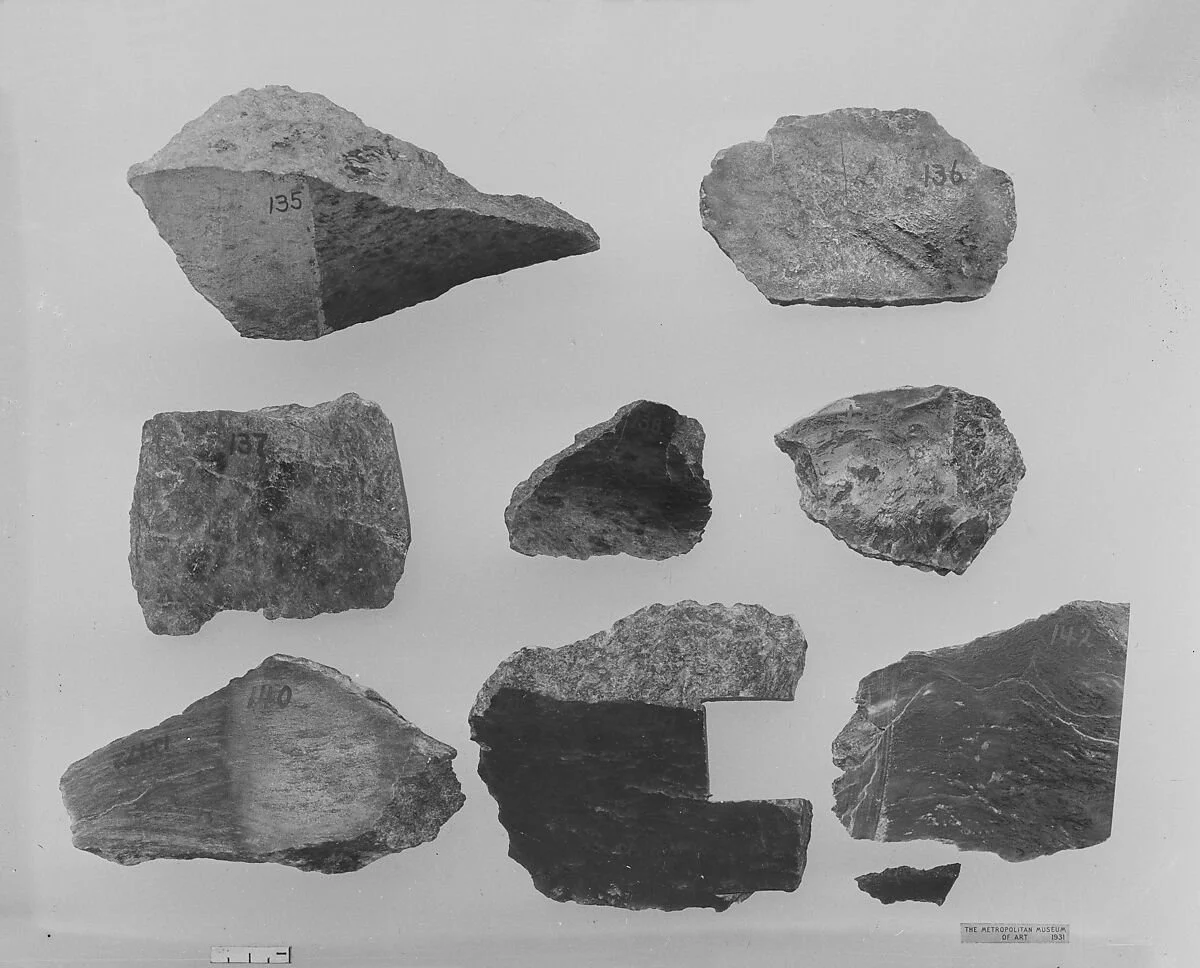
Depending on your interests, each of these examples can take you down a rabbit hole, but they’re different in important ways (also, all the images are linked so jump in if you dare!).
The collector of the Lego computer interfaces didn’t need to use a great deal of judgment to select these bricks. They’re well-photographed and I don’t intend to disparage in the least - but this collection existed before someone took the time to gather, photograph, and exhibit it. The things that make this a collection are, I’d argue, self-evident.
The stone tools are similar. This collection also existed before someone took the time to exhibit it, but the specific skills required to assemble and appreciate this collection are very different than those to assemble the Lego collection. I don’t need to be either a Lego designer, or UI designer to see the links between these bricks and to take pleasure in noticing how they are similar and different. But someone with a background in UI could have a field day diving into these. To assemble the stone tools into a collection, one has to rely on teams of archeologists working in the field and in a museum, and more specifically on their expertise to tell a random piece of rock from a deliberately modified one. This collection relies on their knowledge to take the, to the lay viewer, nearly-imperceptible and make it evident in an exhibition.
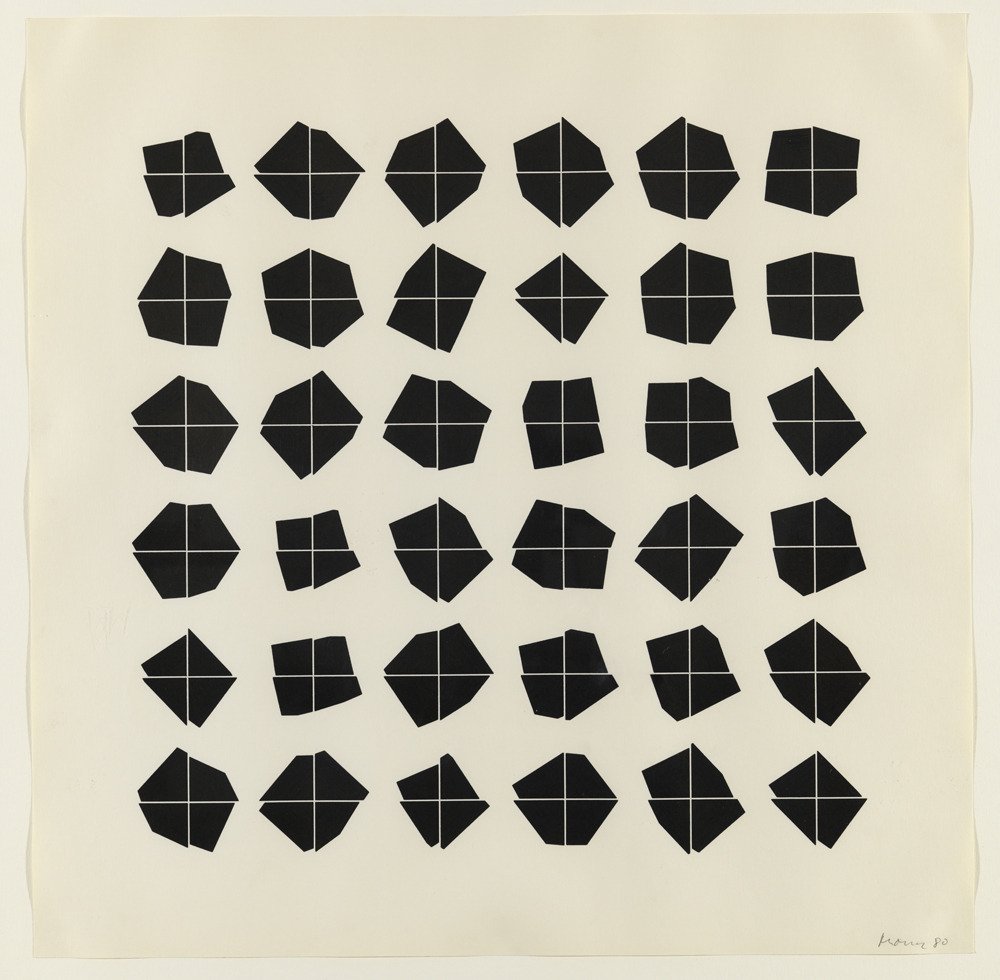
Manfred Mohr’s artwork (bottom left image) is interesting in that he was one of the first artists to be working with computer graphics and algorithmically-created imagery as far back as the 1970s. Much of his work exists as collections, or series, and are linked primarily by the computer program(s) he wrote to create them. His work, for me, is foremost a question about how we can work with computers and algorithms (decades before this was a word we used daily) to create art, and secondarily a pure aesthetic experience. I get something out of looking at his work, but I feel like the best appreciation of it also includes spending time with digital tools, and understanding how he got from a line of code to these images.
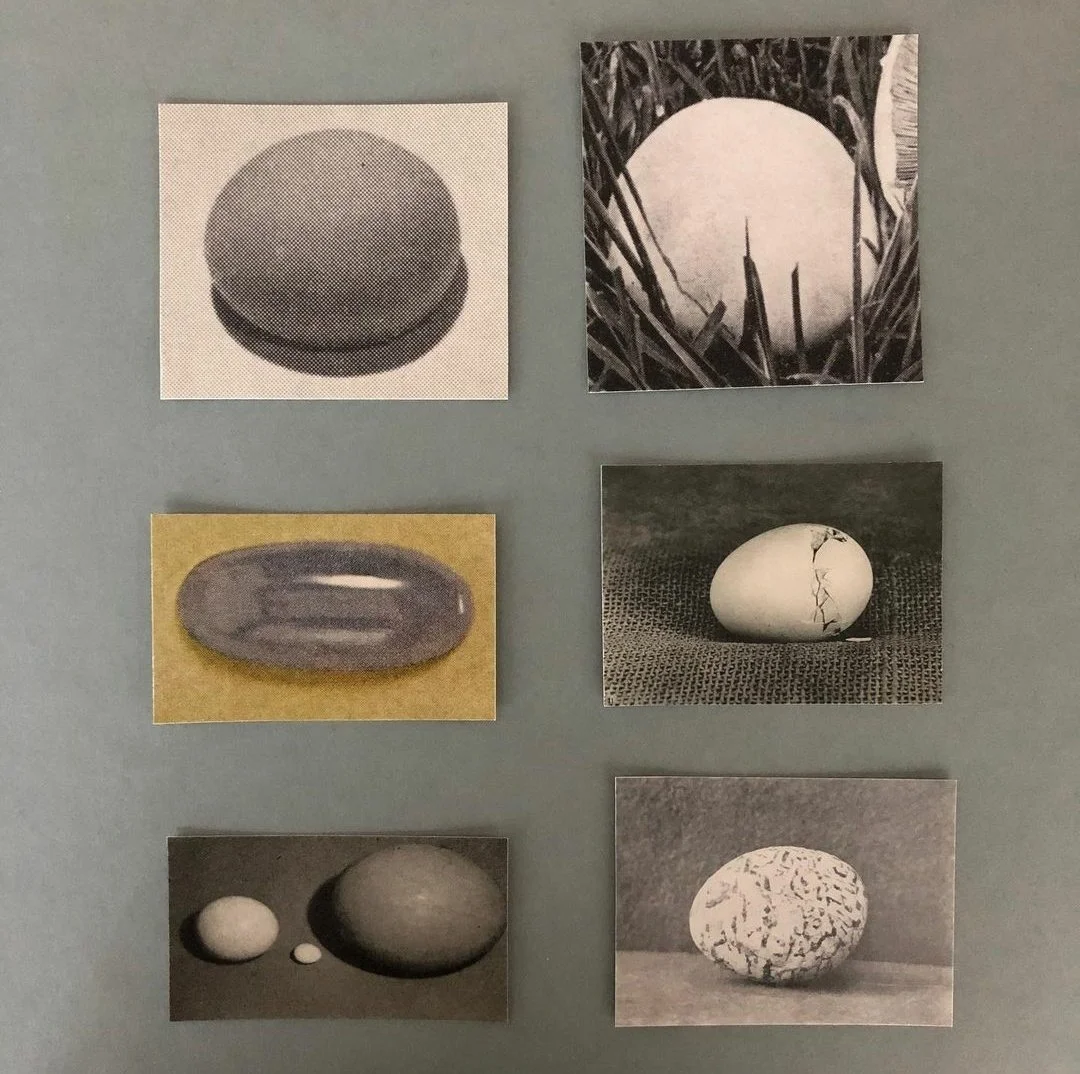
Ruth Van Beek’s work is definitely the closest to what I’m interested in in my own work. The organising principles of this collection and exhibition appear to be “found photograph” and “egg shape”. As starting points they’re relatively neutral but as soon as two, three, and more images based on these criteria are put next to each other, questions start to appear and it’s no longer neutral but a series of choices. And there’s a natural human instinct to question these choices, to start drawing lines between these images, and to wonder what the larger image was that they were cut out of. For me this image has the greatest narrative possibilities. It’s a collection verging on poetry because in it the human hand is incredibly evident - where did she find these images, who made them in the first place, why did she arrange them in this configuration? And what images did she leave out? It suggests a great deal, but says very little directly.
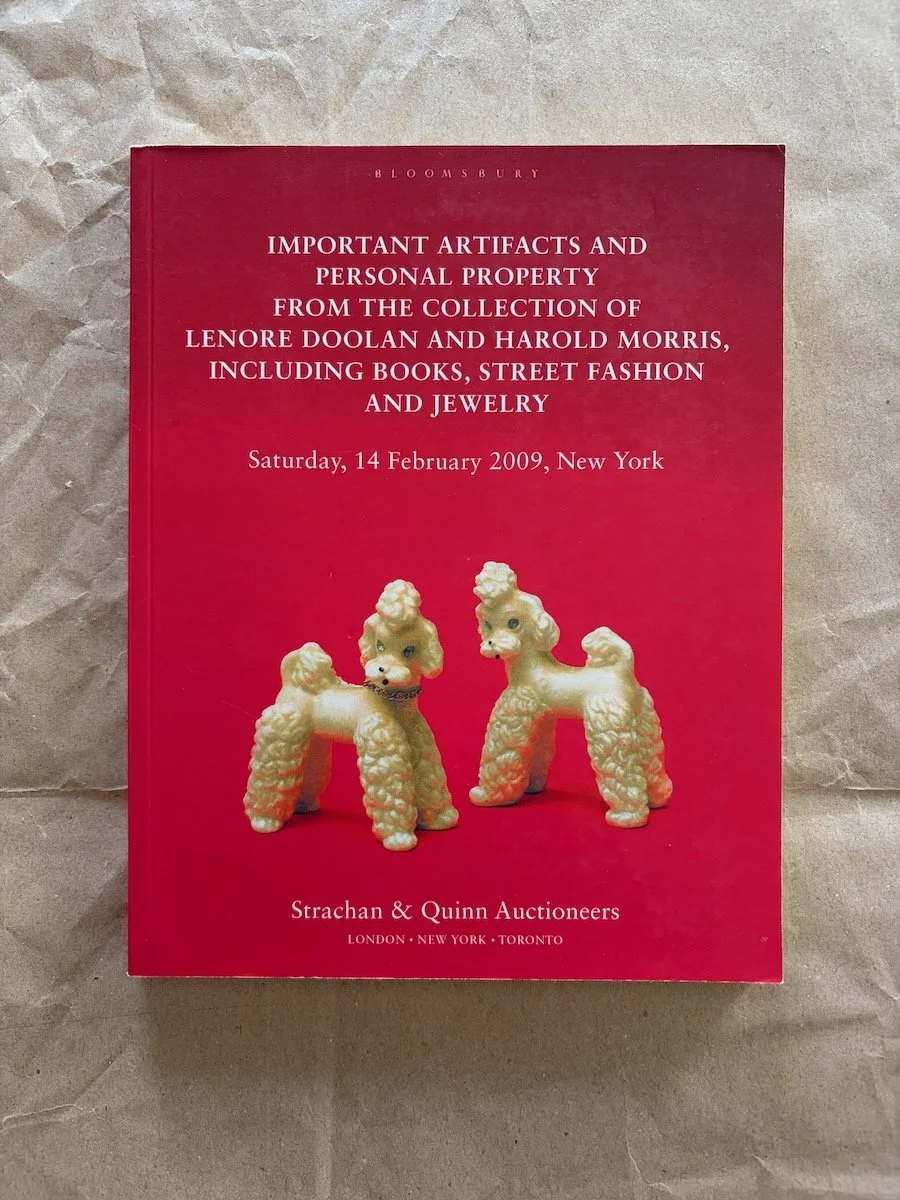
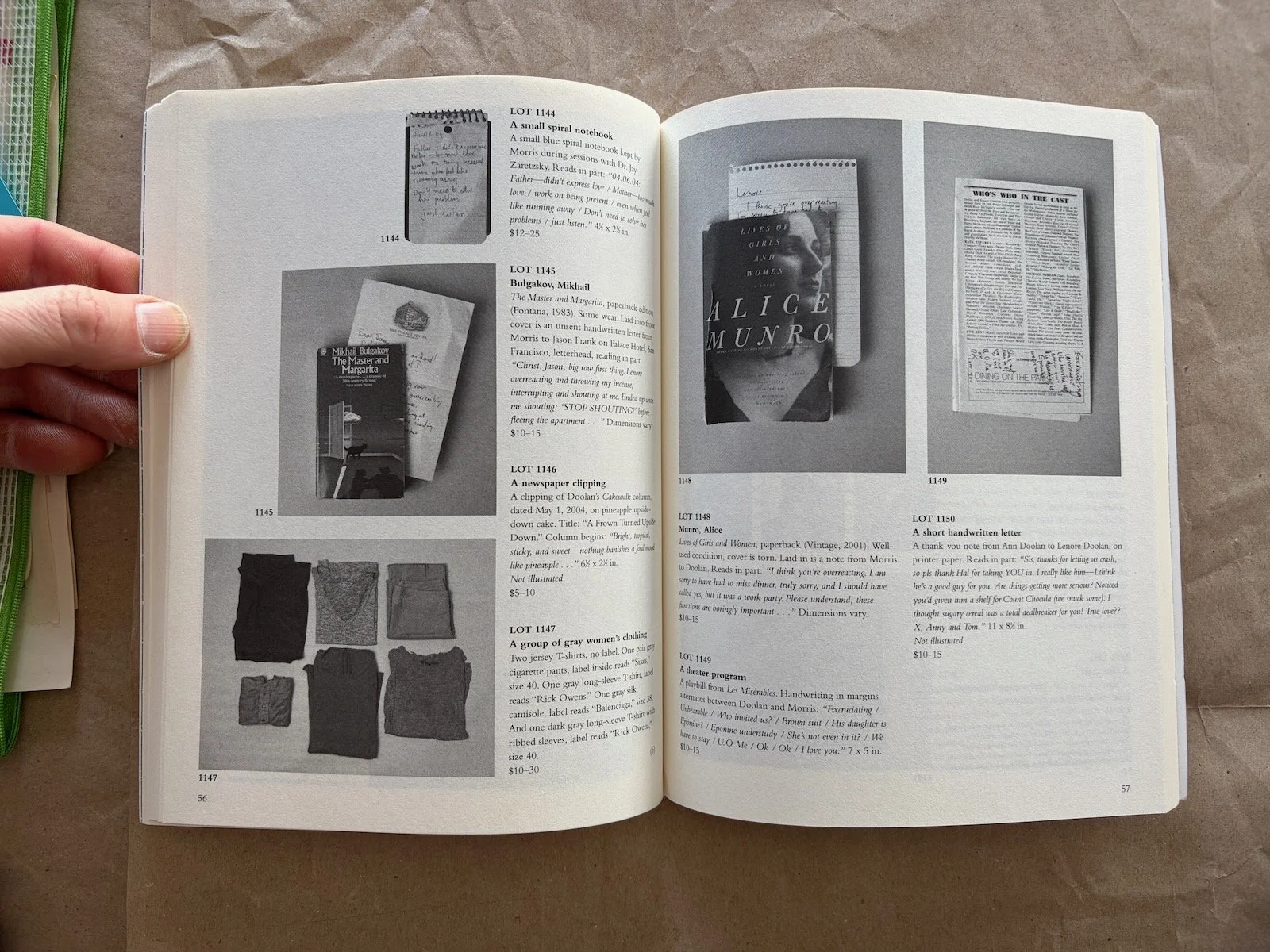
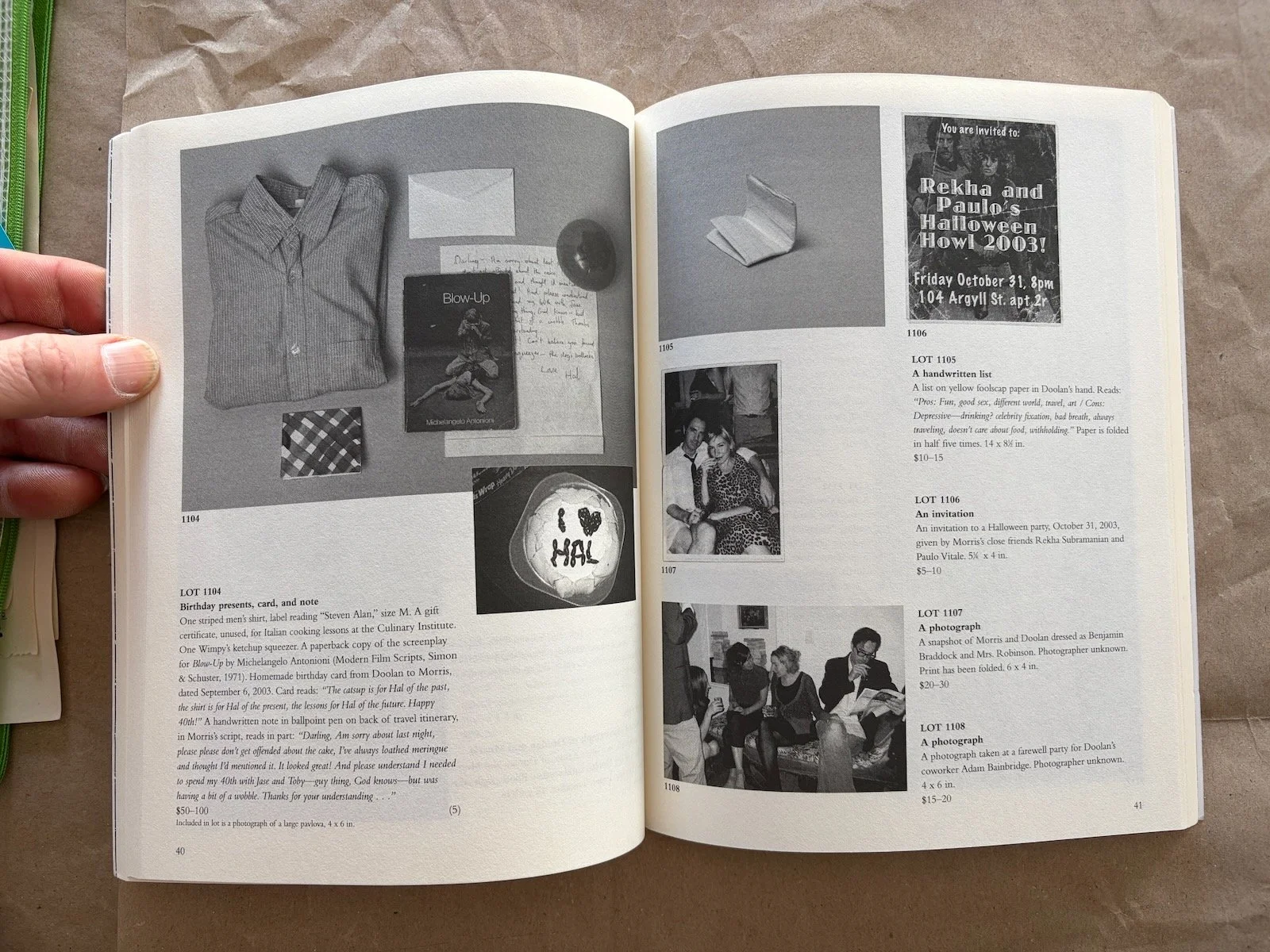
Leanne Shapton is one of my favourite artists who often works with the idea of collections and exhibitions. This book is a novel in the form of an auction catalog, showcasing over 200 lots of personal memorabilia from a fictional couple, and through the images and lot descriptions we uncover the story of their relationship. This book embodies masterfully the feeling I have whenever I poke through a junk shop or yard sale - there are stories here in every item and I want to know them. This feeling gets triggered when I buy a used book and find a scrap of paper used as a bookmark, or when I read the passages someone else underlined. These tangible objects have histories and stories, and stories are awesome.
Do I wish the love story in this book was real, and that the found items really belonged to these people? I don’t know. If the book weren’t so well done, then maybe. What is very real, is that this story reminds us that ephemera can have value and that spending time with it can be illuminating.
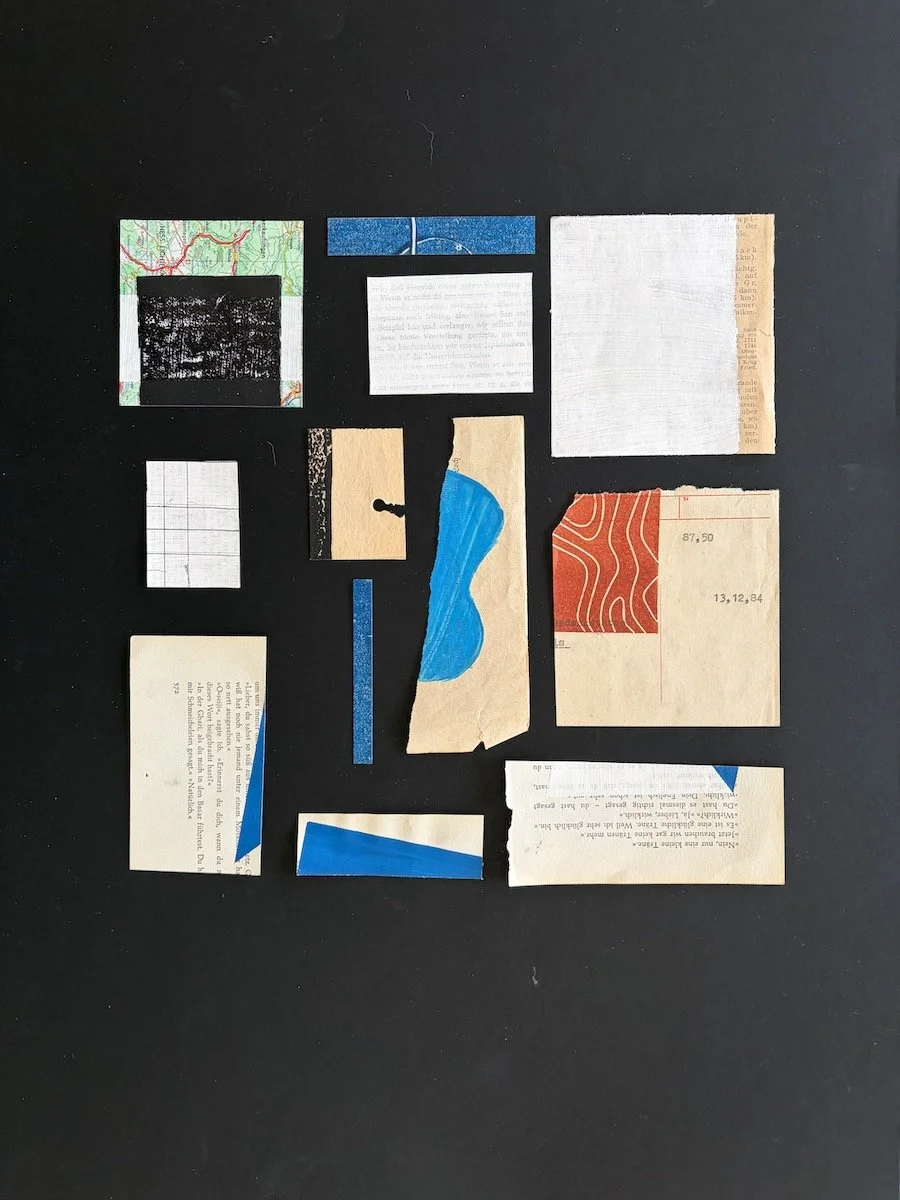
A third collection/exhibition of the same scraps from my studio.
All of these things are collections. At what point do they become collage? I don’t know yet. Perhaps that's the next blog post and/or newsletter.
Thanks for thinking along with me, and more soon.
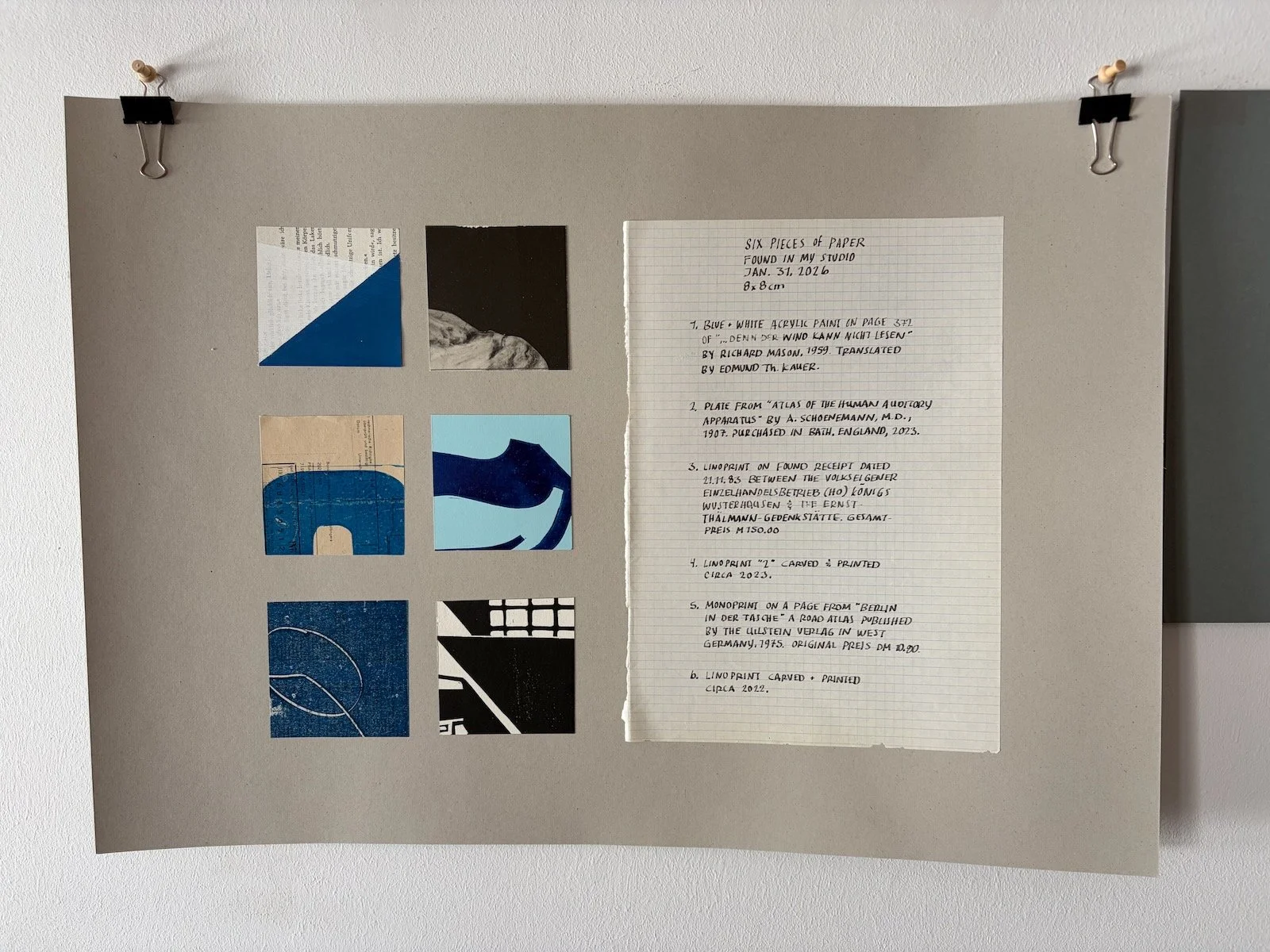
A collection of six pieces of paper found in my studio, 31st January, 2026.