The Erhardt-Mathis Big Illustrated Cookbook

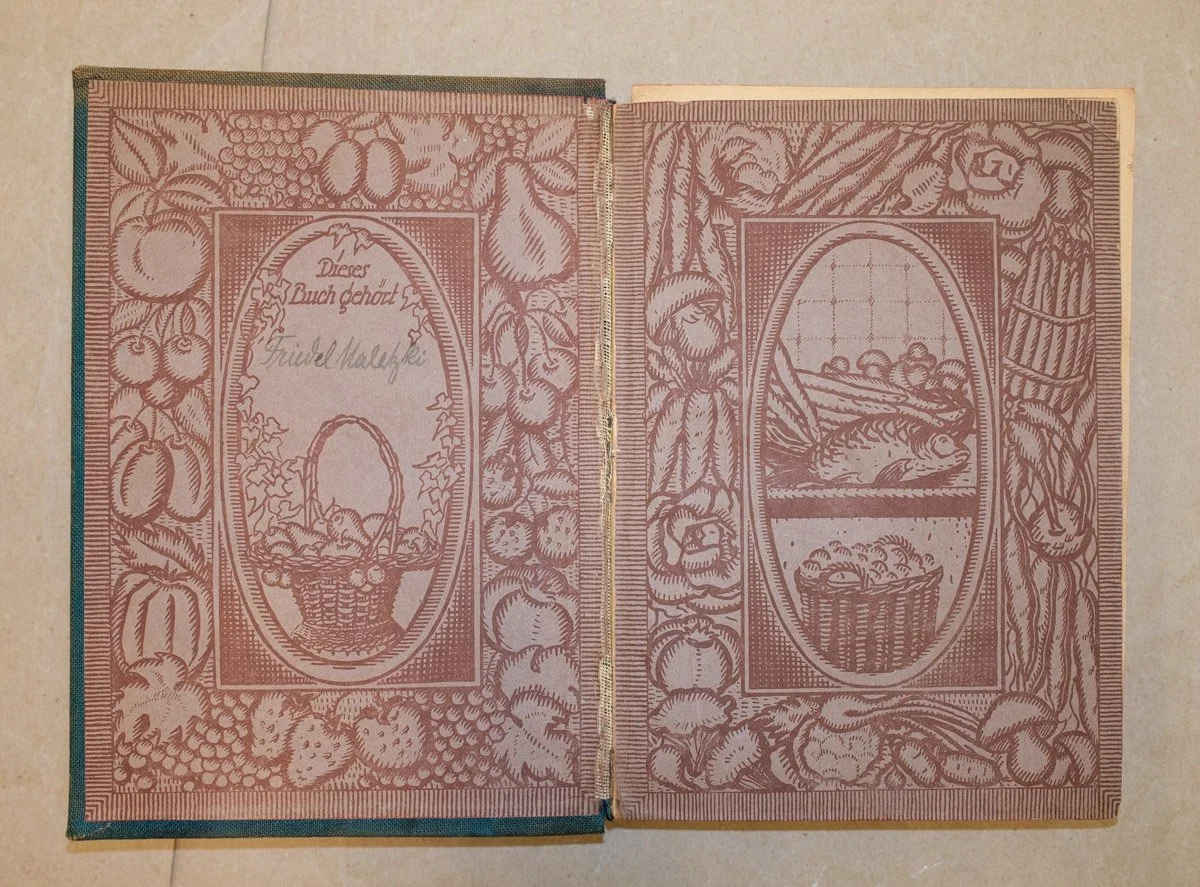

Time for another fleamarket book find, this time a cookbook from 1922 that I picked for 5€ at the Marheinekeplatz weekend Trödelmarkt. I don’t usually shop at that fleamarket as it’s in a fancier Kiez and the prices are correspondingly high. I’d just come from offering a guy 7€ for a photoalbum, who then countered with 70€. I had lowballed him, no question, but had I any more cash on me, we might have been able to settle at a more reasonable 30€.
One stall over a woman had a table full of old appliances, some dishware, and this book. Nearly 700 pages long with over 800 illustrations, and more than 2,000 recipies - all for 5€. I was happy. The woman at the stall seemed happy. Everyone wins.
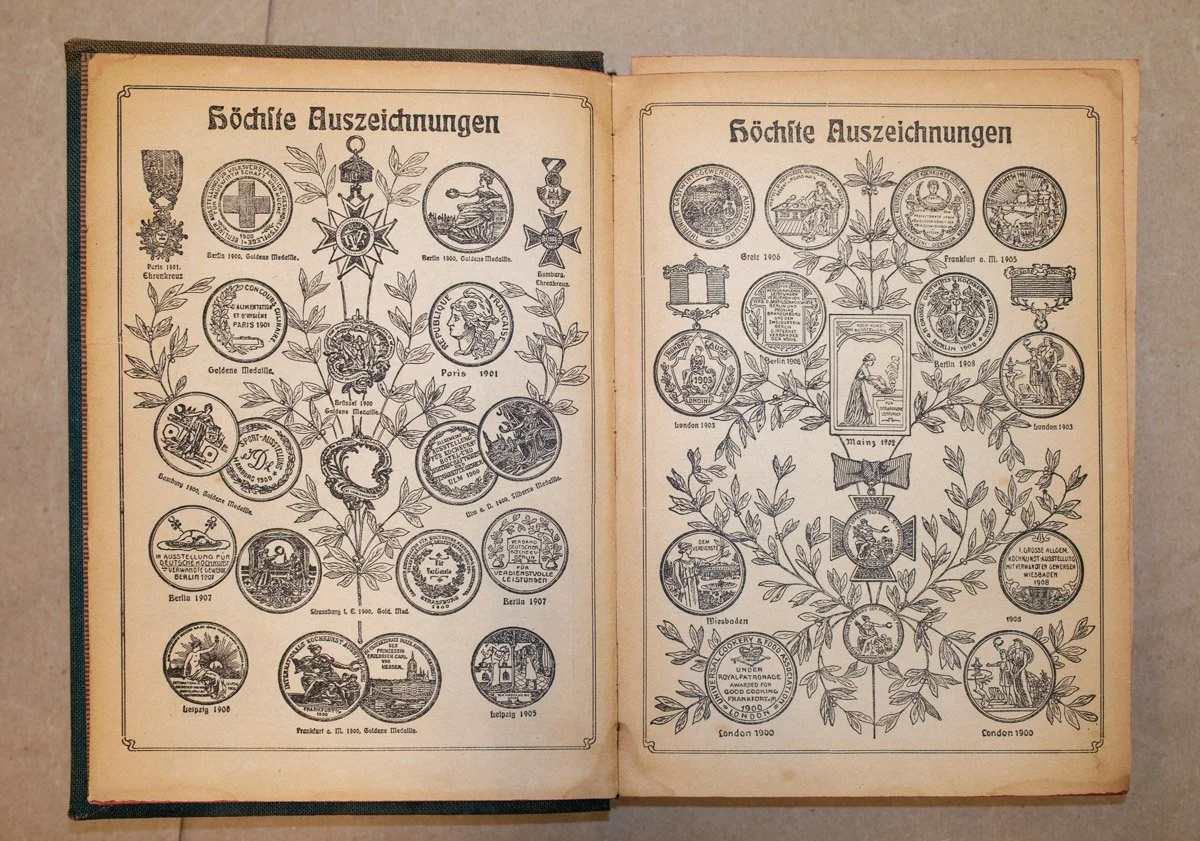
I don’t know enough about old books to have any idea how rare or valuable books like this are. I find it pretty remarkable that it’s over 100 years old, but age doesn’t necessarily equal value. A few minutes searching on the internet led me to a couple similar copies for sale between 20-40€, and a scanned copy of the 1911 edition on the Internet Archive. Whether or not its valuable, I find it incredibly interesting, and at least according to the bottom-right spread above, it’s an excellent cookbook. It apparently won 35-ish cookbook awards between 1900-1908. Are these prestiges awards? I have no idea. Kudos nontheless.
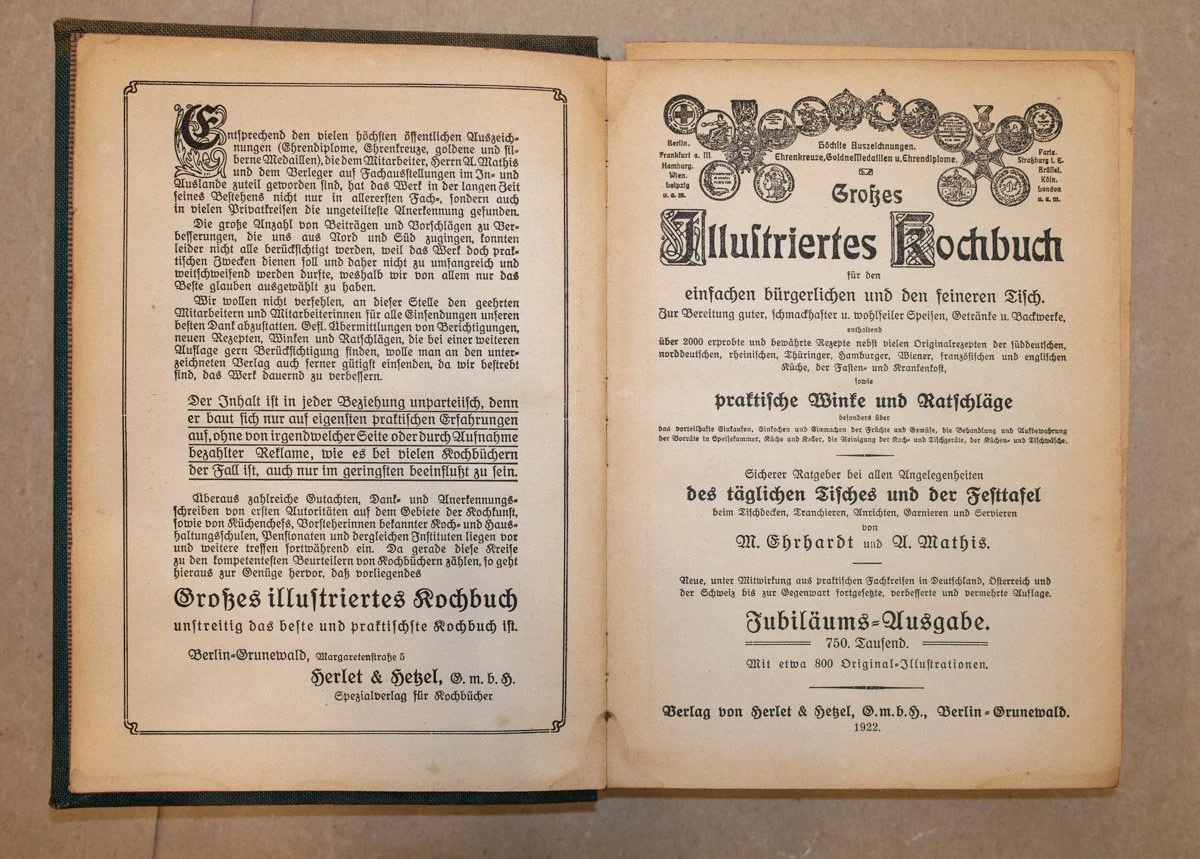


The 2000+ recipes are suited for both the “einfachen bürgerlichen und den feineren Tisch” - both simple middle-class, and fancy recipes. The authors double-down on this point a few sentences later, by offering plating, serving, and garnishing tips for “des täglichen Tischen und der Festtafel”, or everyday eating and the banquet table. This is a cookbook that does it all.
Why the book expressly has Copyright in the US, I’ve no idea. The publisher, Herlet & Hetzel, was based in Berlin, Germany, and the book was printed in Leipzig.


As you can imagine, a 700-ish page cookbook has recipes for most everything, and I honestly love the engravings or woodcut illustrations. Found inside the book, between pages on how to prepare Karfpen (carp), is a promotional flyer with a recipe for Herringsalat (herring salad).


I also love this promotion flyer from Hermann Tietz & Co., though of course it has some history. The cover reads “The kitchen secret: Tietz bakery ingredients”, and the spread offers everything from flour, to raisins, to Swedish butter. The Tietz family opened several of Germany’s first department stores in the late 1800s and early 1900s and by the mid-1920s operated 10 stores (Kaufhäuser) in Berlin alone, employing around 13,000 workers.
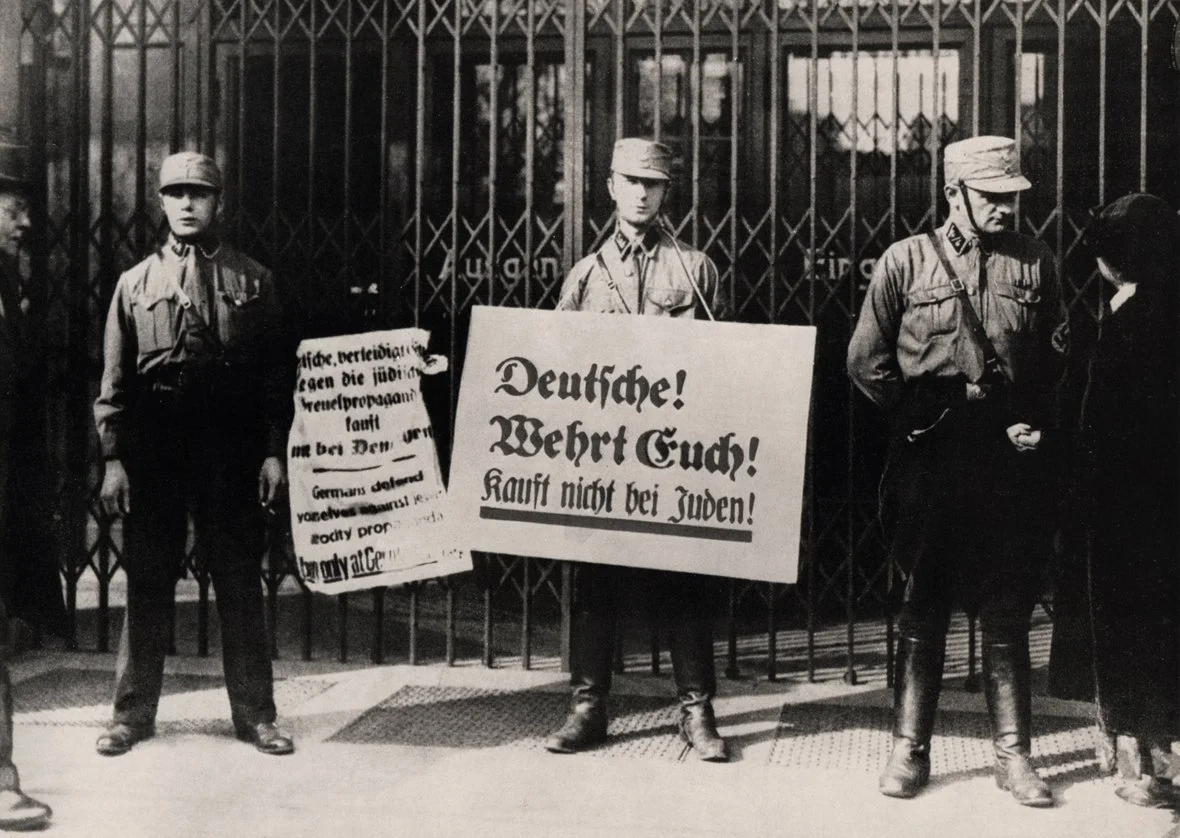
Then the Nazis came to power and in 1934 all the Tietz stores were aryzanized - taken away from their founders because they were jewish and given to aryan Germans. The photo above was taken outside the former Tietz Kaufhaus at Alexanderplatz.
A dark turn for a blog post that started out being about a cookbook, but maybe it’s a lesson that things like this have long roots, and that on some level, everything connects to everything else if you look deeply enough.
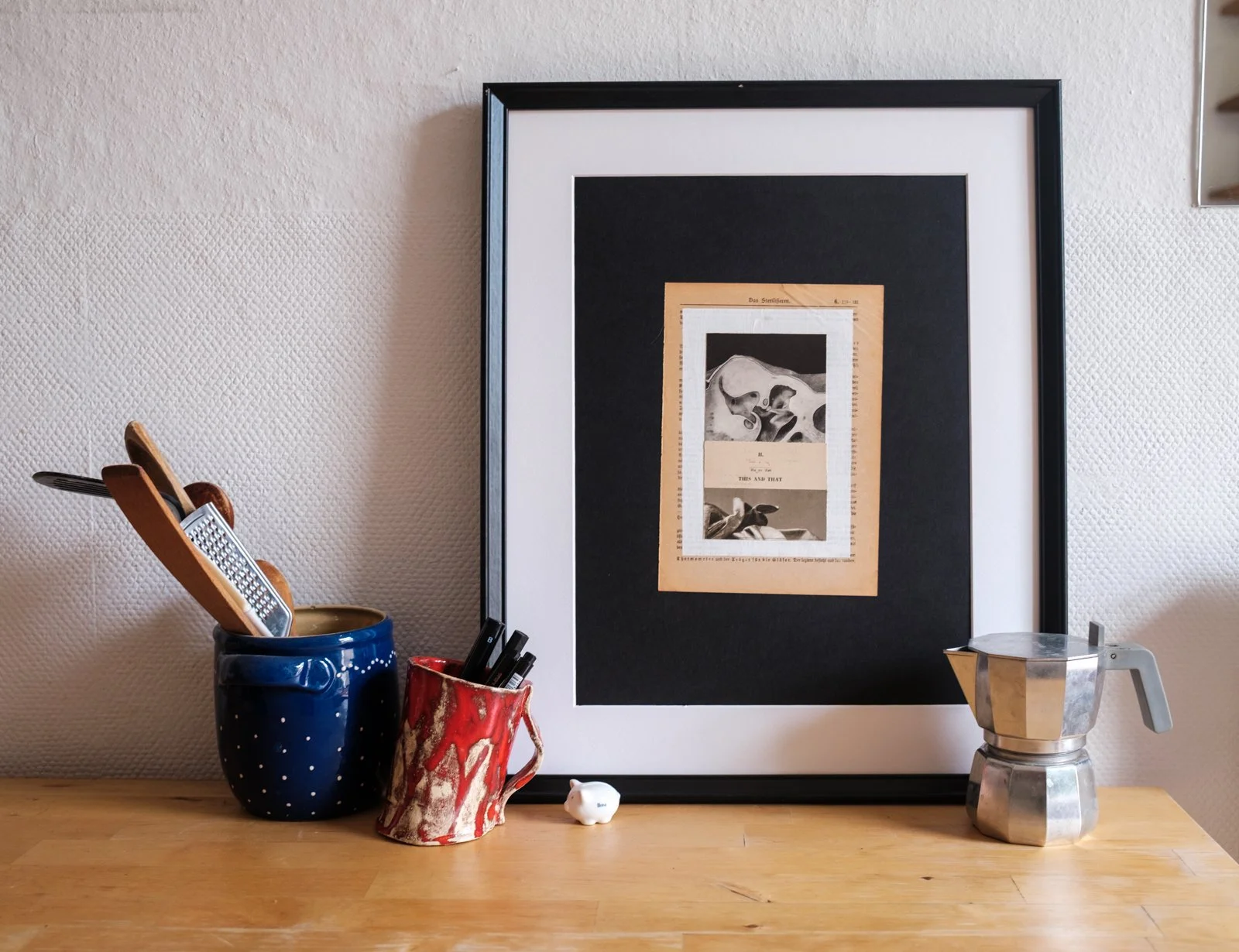
I’ve slowly started using pages from this book in my collages, with more to come.